5 Types of Drywall Mud: A Beginner’s Guide to Choosing the Right One
Discover the 5 types of drywall mud and learn how to choose the right one for your project. Perfect for DIYers and pros alike—get tips for a smooth, professional finish!
MATERIALS
2/2/20254 min read
Choosing the Right Drywall Mud Matters
If you’ve ever worked on a drywall project, you know that drywall joint compound (often called “drywall mud”) is a must have material. It’s used to fill gaps between drywall sheets, cover screws, and smooth out imperfections, giving your walls a clean, smooth and professional finish. But did you know there are several different types of drywall compound, each is designed for a specific tasks? Whether you’re a DIYer or a seasoned pro, understanding these mud options can make your project a bit easier and a lot more successful. Let’s break down the five main types of drywall compound, their uses, and how to pick the best one for your needs.
1. All Purpose Drywall Joint Compound
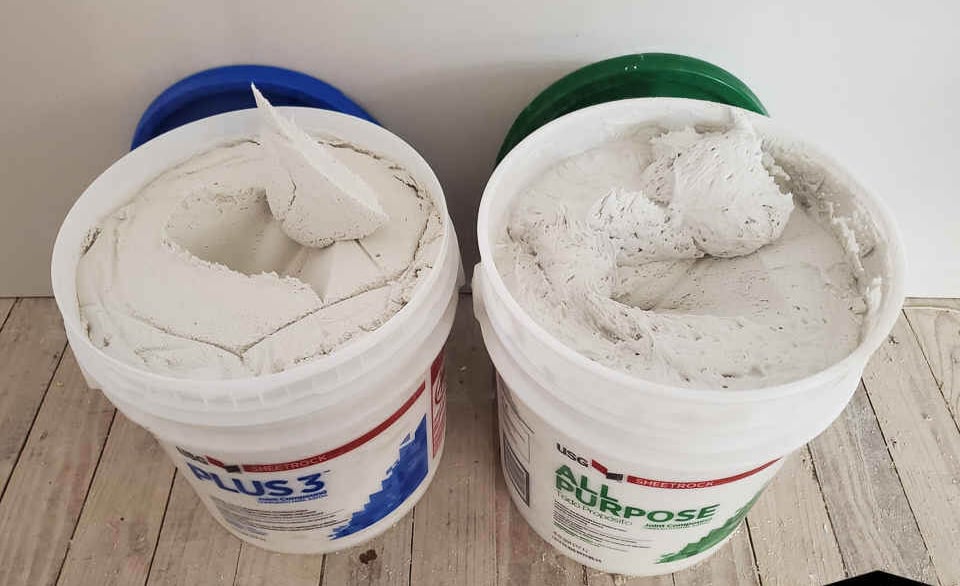
All purpose drywall compound is the go to choice for many if not most projects. Usually sold in a premixed box or bucket (see below) and as the name suggests, it’s versatile and can handle a variety of tasks, like taping seams, filling holes, and creating smooth finishes. It’s also great for texturing walls or applying a skim coat.
One of the best things about all purpose compound is how easy it is to work with. It sands smoothly, takes paint well, and is widely available at most hardware stores. Plus, it’s budget friendly, making it a popular option for both beginners and professionals. If you’re not sure which type to use, this is a safe bet for most drywall jobs.
2. Setting Drywall Joint Compound
Setting drywall compound, sometimes called “hot mud” or “bagged mud,” comes in powder form and needs to be mixed with water before use. What makes it unique is its fast drying time, which is indicated by numbers like 5, 20, 45, or 90 (representing the minutes it takes to set).
This type of compound is perfect for quick repairs or when you’re on a tight schedule. It’s also stronger than other options, making it ideal for filling large gaps or securing tape over seams. For a stronger finish product, most seasoned drywall finishers use "hot mud" for their first coat when finishing. However, because it sets so quickly, you’ll need to work fast and mix only what you can use in one go.
3. Lightweight Drywall Joint Compound
If you’re looking for something easier to handle, lightweight drywall compound is a great choice. Made with a mix of gypsum, starch, and other lightweight ingredients, it’s easier to spread and sand than traditional compounds.
This type is perfect for smaller jobs, like patching holes or smoothing out cracks. Its creamy texture makes it easy to apply, and it dries to a smooth finish that’s simple to sand down. While it’s not as strong as setting compound, it’s a great option for finishing touches or light duty projects.
4. Fire-Rated Drywall Joint Compound
Safety first! Fire rated drywall compound is specially designed for areas where fire resistance is a priority. Made with gypsum and other fire resistant materials, it adds an extra layer of protection to your walls.
You’ll often find this type of compound in places like garages, commercial kitchens, fire walls between units in an apartment building or any area with a higher risk of fire. It’s thicker than regular compounds, so it can be a bit trickier to work with, but the added safety is worth it for the right project. Call 877-346-2714 for availability.
5. Topping Joint Compound
For a dead flat, glass smooth wall, nothing beats topping mud. It’s mixed strictly for second and third coat, packed with lighter fillers that cut down shrinkage and makes sanding easy. It feathers out clean over seam edges without dragging, drying down to an even chalk white that takes primer without flashing. Whether you’re wiping screw heads, floating a wide butt joint, or pulling a full Level 5 skim, topping compound gives you a clean surface ready for paint. The catch? It has almost no glue in it.
Without the heavy vinyl binders found in taping mud or standard all purpose, topping mud should never be used for your first coat. If you try bedding paper or mesh directly into it, expect blisters, bubbles, and joint failure within months. I recommend, Bedding your tape and prefill deep gaps with setting type hot mud first. Once your foundation is solid, break out the topping mud to float out your final coats. Call 877-346-2714 for availability.
How to Choose the Right Drywall Compound
With so many options, how do you pick the right one? Here are a few tips:
For beginners: Start with all purpose or ready mixed compound. They’re easy to use and forgiving if you make a mistake.
For quick repairs: Go with setting compound. Its fast drying time is a lifesaver when you’re in a hurry.
For lightweight projects: Choose lightweight compound. It’s easier to handle and perfect for small fixes.
For fire safety: Use fire rated compound in high risk areas like garages or kitchens.
For convenience: Ready mixed compound is your best friend for quick, no-fuss projects.
Tips for Working with Drywall Compound
Always apply compound in thin layers. Thick layers take longer to dry and are more likely to crack.
Sand between coats for a smoother finish.
Use the right tools, like a trowel or putty knife, to spread the compound evenly.
Clean your tools immediately after use to avoid dried on compound.
Final Thoughts
Choosing the right drywall compound can make a big difference in the quality of your project. Whether you’re patching a small hole or finishing an entire room, there’s a compound that’s perfect for the job. By understanding the strengths and uses of each type, you’ll be able to tackle your next drywall project with confidence. Happy mudding!
The Drywall Resource
Expert advice for drywall enthusiasts and contractors.
© 2026. All rights reserved.
Order Drywall/ Building Supply:
877-346-2714